Butterfly Rose Heart Laser Cut Earring Review
I have spent years reviewing machine embroidery designs, and I have learned that the most critical factor in a successful project is not just the file format, but how the design translates from a digital screen to a stitched reality. When I first encountered the Butterfly Rose Heart Laser Cut Earring design, my initial reaction was one of visual intrigue. It sits at the intersection of delicate romance and structured geometry, a combination that can be tricky to pull off without looking cluttered or overly fussy. As an experienced designer evaluating this for real-world application, I want to share exactly where this design shines, where it might stumble, and how you can leverage its unique aesthetic for your own creative ventures.
The First Impression: Mood and Visual Personality
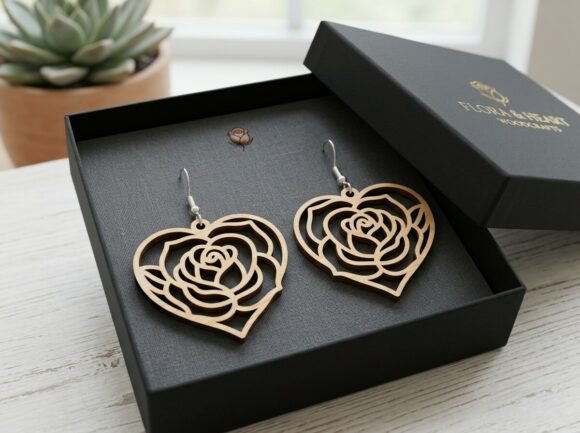
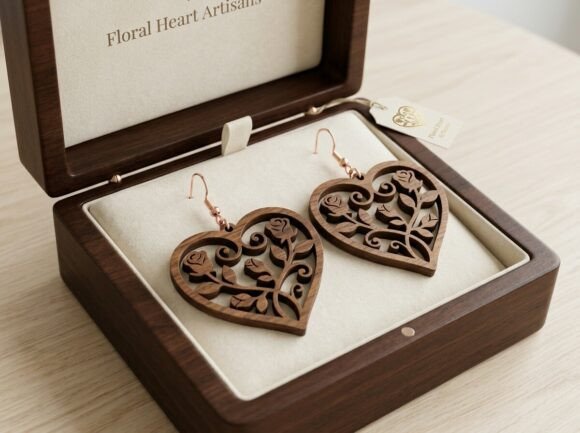
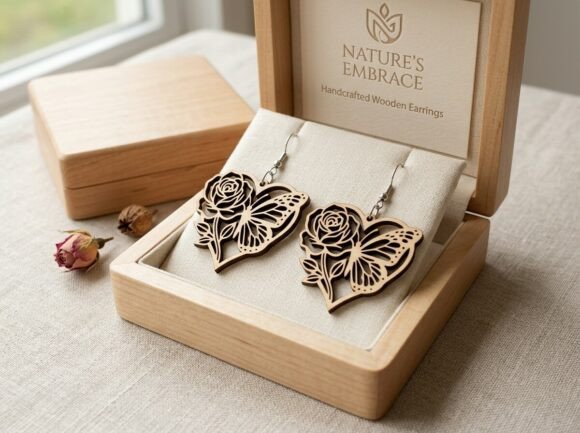
The moment you open the files for the Butterfly Rose Heart Laser Cut Earring, the layout speaks volumes about its intended use. The fusion of a butterfly wing motif with a central rose and heart shape creates a soft, feminine energy that immediately suggests specific applications. Unlike generic floral patterns that are meant to fill a large space, this design feels like a focal point. It has a "laser cut" quality to its lines, which implies clean edges and precise details that need to be respected during the digitizing process.
In terms of mood, it screams "handmade boutique." It feels personal, thoughtful, and slightly whimsical. This is not a design you would typically slap onto a heavy-duty work shirt; rather, it belongs on items that carry emotional weight or serve as gifts. The balance between the organic curves of the butterfly and the geometric precision of the heart gives it a modern yet timeless feel. For designers looking to add a touch of elegance to their portfolio, this design offers a strong starting point that elevates the perceived value of the finished product.
Real-World Application: A Scenario in the Workshop
To truly understand the potential of this design, let's imagine a practical scenario. You are a small business owner preparing inventory for the upcoming wedding season. You decide to create a line of custom bridal accessories and personalized gifts for your Etsy shop. You select the Butterfly Rose Heart Laser Cut Earring to feature on a set of silk pillowcases and embroidered patches for bridesmaid tote bags.
As you begin the stitching process, you realize that the intricate details of the butterfly wings require careful thread selection. If you choose a high-contrast color scheme, such as deep burgundy on ivory silk, the design pops with a romantic drama that customers will love. However, if you attempt to stitch this on a dark fabric without a proper underlay, the fine lines of the wings might get lost in the texture of the material. In this specific case, the design works beautifully as a centerpiece on a larger item, drawing the eye immediately. The customer unboxing these items sees a level of craftsmanship that suggests a premium product, increasing their trust in your brand.
This same design could also be adapted for a holiday gift line. Imagine placing a smaller version of the Butterfly Rose Heart Laser Cut Earring on a linen kitchen towel for a hostess gift. The heart element adds a layer of sentimentality that fits perfectly with seasonal gifting. The key here is context; when used correctly, the design transforms a simple utility item into a cherished keepsake.
Technical Performance and Stitch Density
When evaluating the technical aspects of this embroidery file, attention must be paid to the stitch density and the interplay between different stitch types. The design likely utilizes a mix of satin stitches for the outlines of the heart and butterfly wings, providing a smooth, glossy finish, while fill stitches may be used for the rose petals to add depth. Running stitches might appear in the finer vein details of the wings.
If the stitch density is too high, the fabric could pucker, especially on lighter materials like cotton voile or sheer organza often used for baby clothes or delicate apparel. Conversely, if the density is too low, the design may look sparse and lack the structural integrity needed for durability. For a professional finish, you must ensure that the stabilizer chosen matches the weight of the fabric. A lightweight cut-away stabilizer is often necessary to support the detailed areas without adding bulk.
One area to exercise caution is the "laser cut" aesthetic. Since this design mimics a laser-cut edge, it relies heavily on clean, sharp lines. On textured fabrics like terry cloth or chunky knits, these fine lines can become obscured. Therefore, this design is best suited for smooth, tightly woven fabrics where the needle can penetrate cleanly and the threads can lay flat against the surface.
Where to Use (and Where to Avoid) This Design
The versatility of the Butterfly Rose Heart Laser Cut Earring is impressive, but it is not a universal solution. Here is a breakdown of where this design excels and where it might fall short:
- Perfect Fits: Custom tote bags, sweatshirt embroidery on the front chest, baby embroidery on onesies, aprons, pillow covers, and tea towels. It also works exceptionally well for creating embroidered patches that can be ironed or sewn onto denim jackets.
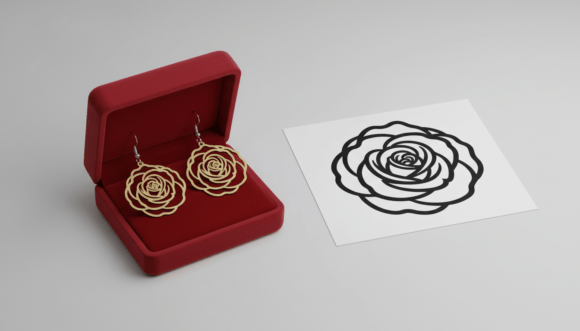
- Commercial Potential: Small shop products, boutique branding, and printable mockups for digital product previews. The design is versatile enough to be resized for various merchandise, making it a valuable asset for digital sellers.
- Use with Caution: Small hoop sizes where the detail might get crowded, stretchy fabrics that distort the shape, and curved surfaces like caps unless specifically digitized for curvature. Dark fabrics require careful thread choice to ensure visibility, and dense stitch areas should be tested to prevent fabric distortion.
For instance, attempting to stitch this on a baseball cap requires a specific hoop size and possibly a curved needle plate to accommodate the dome shape. Without these adjustments, the heart and butterfly elements might look misaligned. Similarly, on thin fabrics, the tension needs to be dialed back to avoid pulling the material through the back of the design.
Design Notes for the Professional Crafter
Before you commit to a full production run using the Butterfly Rose Heart Laser Cut Earring, there are several practical steps every designer should take. First, always test the design on scrap fabric that matches the final material. This allows you to see how the thread colors interact with the fabric texture and whether the stitch density causes any puckering.
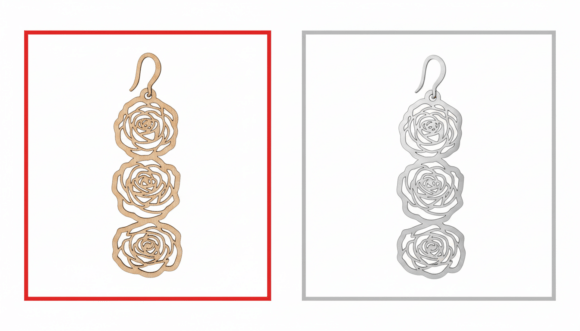
Review the stitch density carefully. If the design includes tiny lettering or extremely fine corners, inspect them closely under good lighting. Sometimes, what looks perfect on a monitor becomes illegible when stitched. Test the design in black and white mockups to ensure the contrast holds up across different colorways. Compare how it looks on light versus dark backgrounds to determine the best thread palette.
Furthermore, confirm the licensing terms before selling finished items. Ensure you have the right to use the design for commercial purposes if you plan to sell the embroidered goods. Check the file formats provided—whether it is SVG, DXF, EPS, or PDF—and ensure your software can handle them effectively. If the design is intended for both personal and commercial projects, verify that your usage rights cover your specific business model.
Final Thoughts on Value and Presentation
The Butterfly Rose Heart Laser Cut Earring design brings a distinct visual appeal that can significantly enhance the perceived value of handmade products. In a market saturated with generic graphics, a design that combines natural beauty with romantic symbolism stands out. It signals to the buyer that care was taken in the creation process, fostering a connection between the maker and the recipient.
Whether you are an Etsy seller looking to expand your catalog, a craft fair vendor needing standout pieces, or a hobbyist creating personalized gifts, this design offers a solid foundation for creativity. By paying attention to fabric selection, stabilizer choice, and thread contrast, you can transform this digital asset into a stunning finished product that customers will cherish. Remember, the success of an embroidery project lies not just in the machine, but in the thoughtful planning and execution by the designer behind the needle.