Honeybee Floral SVG Icons: A Designer's Real-World Review
When I first opened the Honeybee Floral SVG Icons package, my initial reaction wasn't about the file size or the format. It was about the mood. There is a specific energy that comes from combining nature with utility, and this flat vector set captures that playful yet professional vibe perfectly. As someone who spends hours evaluating design assets for client work and personal craft projects, I look for more than just pretty lines; I need to know if a design will hold up under the needle and translate well into a physical product.
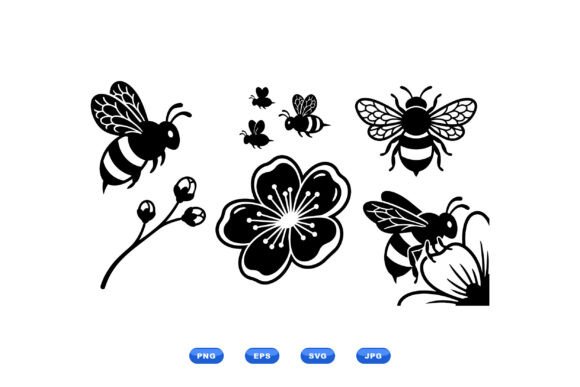
The concept of honeybees pollinating blossoms is timeless, but the execution here feels modern. The variety in poses—from close-up icons to full-body figures interacting with buds—suggests versatility. This isn't a single static image; it is a collection of design elements meant to be mixed and matched. For an embroidery designer, this is crucial because it allows for dynamic compositions rather than repetitive patterns that can feel cheap or mass-produced.
From Digital File to Finished Product: The Tote Bag Test
To truly understand the potential of these graphics, I imagine them on a real-world canvas. Let's say I am preparing a custom embroidered tote bag for a local farmers market or a boutique gift shop. The goal is to create something that screams "eco-friendly" without looking like a generic clip-art stamp. If I were to use the Honeybee Floral SVG Icons here, the flat vector style translates beautifully to embroidery.
Unlike complex photographic images that often lose detail when stitched, the clean lines of this set are designed for clarity. I envision placing a larger bee icon near the top corner of the bag, surrounded by smaller floral buds scattered across the fabric. The result would be a balanced composition that guides the eye naturally. For a small business owner or an Etsy seller, this level of visual storytelling adds significant value. Customers aren't just buying a bag; they are buying a piece of art that supports nature.
The same logic applies to apparel. Imagine a sweatshirt with a subtle chest pocket design featuring one of the pollination icons. It creates a sense of whimsy that appeals to parents looking for baby clothes or hobbyists who love gardening. The design is simple enough to not overwhelm the garment but detailed enough to show craftsmanship. When you present a finished product to a client, the difference between a poorly digitized file and a thoughtful design like this is immediately visible in the stitch quality and overall aesthetic.
Navigating Fabric and Stitch Density Challenges
However, moving from the screen to the hoop introduces specific challenges that every embroiderer must respect. While the Honeybee Floral SVG Icons are excellent, their success depends heavily on how they are adapted for different materials. I have seen beautiful designs fail simply because the stitch density was too high for a thin fabric or the details were too small for a curved surface.
If you plan to use this design on a textured fabric like a heavy canvas or a wool blend, the stitches might sink in slightly, softening the crisp edges. In such cases, you might need to adjust the thread tension or choose a stabilizer that provides extra support. Conversely, using these icons on stretchy fabrics like t-shirts requires careful consideration of the underlay stitches to prevent puckering. The design looks best on stable surfaces where the stitches can sit proudly on top of the material.
There are also limitations regarding size. The close-up icons are charming, but if you try to scale them down too much for a tiny patch or a hat brim, the fine details of the wings or petals may disappear entirely during stitching. This is where practical judgment comes in. You must test the design at its intended size before committing to a production run. If you are creating an embroidered patch, ensure the border is wide enough to allow for trimming without cutting into the main subject. Similarly, on dark fabrics, the contrast becomes critical. Light-colored threads might get lost against a black background unless you layer a white underlay effectively.
Strategic Placement for Maximum Impact
Where you place the design is just as important as the design itself. For a kitchen towel, a central placement of a large floral cluster works well, but for a cap, a smaller, isolated icon on the side panel might be more appropriate. The versatility of the ZIP file, which includes both SVG and PNG formats, gives you the freedom to mock up these placements digitally before you ever touch the machine.
I also recommend thinking about the color palette early on. The flat vector style relies on clear shapes, so your thread choices should complement this. Avoiding too many colors is often a wise move; sticking to two or three contrasting thread colors can make the design pop without looking cluttered. For example, using a golden-yellow thread for the bees against a deep green floral background creates a classic, high-contrast look that feels premium.
Practical Notes for the Professional Maker
Before you start stitching, there are several technical steps that separate a hobbyist from a pro. First and foremost, always test the design on scrap fabric. This simple step saves money on wasted materials and helps you dial in the perfect settings for your specific machine. Check the stitch density carefully. If the fill areas are too dense, the fabric will pucker; if they are too sparse, the design will look weak.
Inspect the small details closely. Sometimes, what looks like a solid shape on a computer screen breaks apart into individual stitches when digitized. Ensure that the running stitches connecting the elements are secure and that the satin stitches covering the curves are smooth. If you are selling finished items commercially, verify the licensing terms included with the download. Some files allow for personal use only, while others permit commercial sales of the final product. Knowing this distinction protects your reputation and your legal standing.
Finally, consider the longevity of the product. Items that require frequent washing, like aprons or baby onesies, need robust construction. Make sure the design does not include fragile elements that could snag easily. The Honeybee Floral SVG Icons are generally sturdy, but the way you digitize them matters. Use proper stabilizers to keep the fabric taut and prevent distortion during the embroidery process.
In the world of crafts and graphics, finding a design that balances artistic flair with technical feasibility is rare. The Honeybee Floral SVG Icons succeed because they offer a clean, modern aesthetic that is adaptable to a wide range of products. Whether you are creating personalized gifts, boutique branding, or digital product previews, this set provides a solid foundation for your next project. By taking the time to test, adjust, and refine, you can turn these digital assets into tangible treasures that customers will cherish.